From the first call to the final walkthrough, the team provided excellent communication and dependable support. We felt confident knowing our property was in good hands.


Emergency Response — 60-Minute Arrival
Storm water damage rarely stays where you first see it. Wind-driven rain can slip through a damaged roof, window, or siding and travel behind walls and under floors, where hidden moisture can lead to mold within 24 to 48 hours. We connect Everett homeowners and businesses with local restoration professionals who understand Pacific Northwest storms. They use moisture meters and thermal imaging to find the full extent of the damage, remove standing water, and dry the structure properly. Providers also document the damage for your insurance claim. Call now for 24/7 storm water damage restoration, or request a free assessment online.
✅ 24/7 Emergency Response for storm
✅ Hidden Moisture Detection
✅ Water Extraction & Structural Drying
✅ Insurance Documentation
✅ Free Assessment
Finding water in your basement after a storm doesn’t always mean the foundation is leaking. During heavy Everett rain, water can enter through a damaged roof, worn flashing, cracked siding, or a poorly sealed window. Once inside, it follows gravity, moving through insulation, wall cavities, and framing until it reaches the lowest level.
A proper assessment follows the full moisture path instead of focusing only on the visible water damage. The provider inspects the roof, walls, ceilings, and windows, removes standing water, and dries the affected materials with air movers and dehumidifiers. Just as important, they identify where the water got in, so the right repair can be made.
Proof comes from documentation. Moisture meter readings and thermal images show where water traveled, and photos of each affected area are recorded. You get a clear record of the source and damage, useful for both repairs and your insurance claim.

Storm rain can soak walls, floors, and insulation before you even notice. We connect Everett property owners with local professionals for emergency storm cleanup and water removal. They use moisture meters and thermal imaging to find hidden moisture, then dry the structure properly and document the damage for insurance. Call now, day or night, or request help to stop the spread.
WHAT WE HANDLE
Drying a wet basement water everett is only half the job. If the roof leak, damaged siding, or window that let wind-driven rain inside stays unrepaired, the next heavy rain or windstorm will bring the problem back. That’s why storm water damage restoration starts by tracing the moisture path with moisture meters and thermal imaging to find hidden moisture and the true entry point. From there, water extraction and structural drying remove what’s already inside, while a qualified roofer repairs the source. Fixing the cause protects your Everett property, prevents repeat damage, and keeps your storm damage cleanup from being done twice.
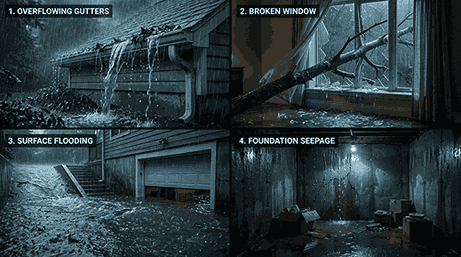
Before any cleanup starts, active openings are dealt with. Depending on the damage, that may mean temporary roof tarping, boarding up a broken window, or covering exposed siding. Stopping new water first keeps the problem from growing while the rest of the work is done.
Next, the property is inspected for visible and hidden moisture. Moisture meters and thermal imaging trace water through walls, ceilings, insulation, and floors, so the full extent of the damage is known before anything is removed. Photos are taken to record the starting condition.
Standing water is removed with professional extraction equipment. Materials that have absorbed too much moisture, such as soaked carpet padding, insulation, or drywall, may need to be taken out so the structure can dry properly. Removing them early also limits mold risk.
Air movers and dehumidifiers are placed based on the moisture map, and moisture levels are checked repeatedly during drying. The goal is to bring wet materials back to normal conditions, not just make surfaces feel dry, which helps prevent mold and secondary damage.
Once drying is complete, the affected areas are checked again. Photos, moisture readings, and a record of the work done are put together in a clear file you can share with your insurance adjuster. Any remaining repairs, like drywall or flooring, can then be planned.
Benefits
When a storm leaves water in your home, you need a real person to answer, not a voicemail. Our local line is open around the clock, including during active storms, and connects Everett homeowners and businesses with nearby restoration professionals. Tell us what happened, and we will arrange help for storm water damage, from roof leaks and wind-driven rain to wet walls, floors, and basements. Local providers know Pacific Northwest weather and can reach properties across Everett and Snohomish County much faster. You get clear, honest answers, a plan for 24/7 water removal and drying, and documentation for your insurance claim.
Wind and heavy rain can open your property to water quickly, and every hour of delay lets moisture spread further. Calling first puts a local professional on the job before damage deepens. You get fast mold removal, hidden moisture detection with thermal imaging, and clear documentation for your insurance claim, coordinated through one 24/7 call for Everett and Snohomish County.
Storm damage doesn’t stop at the roofline. Whether wind-driven rain has soaked your walls or overflowing drains have flooded a lower level, local professionals can respond across Everett and nearby communities. Services include emergency water removal, moisture detection, structural drying, and insurance documentation for homes and businesses throughout Snohomish County. Help is available 24/7, so recovery starts before damage spreads.

Mukilteo

Lynnwood

Mill Creek

Marysville
Lake Stevens

Snohomish
Edmonds

Bothell
Monroe
Mountlake

Arlington
Woodinville
Monroe
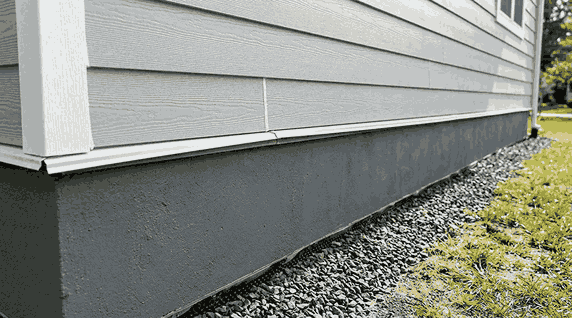
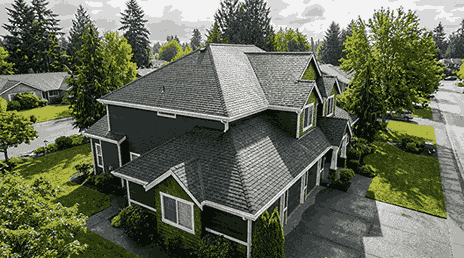

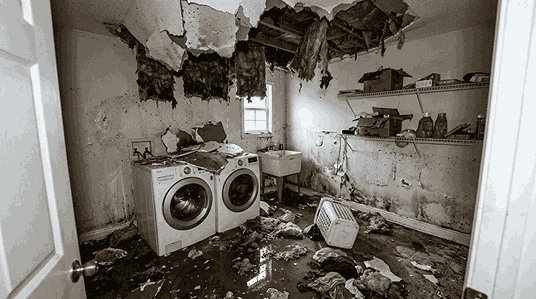
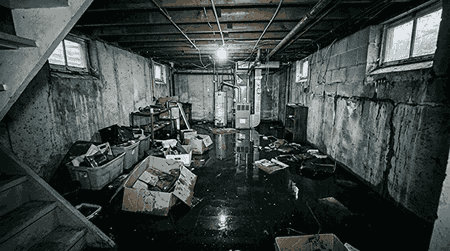
After a storm, the damage is bigger than it looks. This is how a property can appear when wind-driven rain has soaked ceilings, walls, and floors: stained drywall, standing water, wet insulation, and moisture hidden behind surfaces. Spotting these signs early, and photographing them before cleanup begins, helps professionals plan response and gives you documentation for your insurance claim.
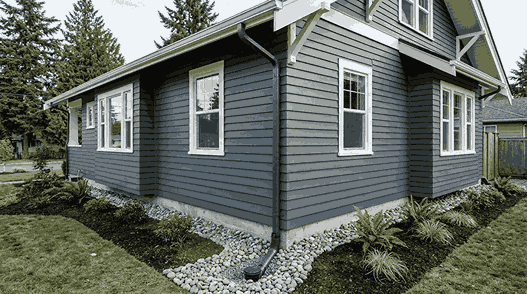
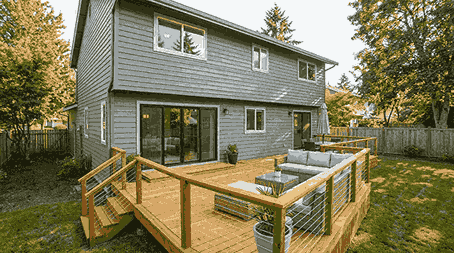
Once water is removed and structure is dried, difference is clear. Wet materials are cleared out, moisture readings return to normal, and property is safe and stable for next stage. This is where repairs like drywall, flooring, and painting can begin, with a documented record of work you can share with your insurance adjuster. Every property is different, so drying time and repair needs vary with extent of the damage.





From the first call to the final walkthrough, the team provided excellent communication and dependable support. We felt confident knowing our property was in good hands.

We appreciated the professionalism and attention to detail. They took the time to answer our questions and helped us understand what needed to be done.

The entire experience was smooth and stress-free. The team arrived prepared, communicated every detail, and treated our property with care throughout the process.

Everett sits on Puget Sound and gets heavy fall and winter rain, plus strong windstorms. Wind-driven rain can push past roof flashing, siding, and window seals, and saturated ground sends water toward foundations. Older homes with worn seals and clogged gutters are especially exposed.
Rain and wind are most common from fall through early spring. It helps to check roof flashing, gutters, downspouts, and window seals before the wet season starts, and again after any major windstorm or atmospheric river. Catching small openings early can prevent larger problems.
Yes. Prolonged rain can saturate the soil and push water through foundation cracks, window wells, floor drains, or crawl space openings. Water can also enter through the roof or walls and travel down. A professional moisture assessment helps find the real source.
It can. Water from a damaged roof or window is usually treated differently from rising river water or groundwater, which standard homeowners policies often exclude. Properties in flood-prone areas may need separate flood coverage. Check your policy and ask your insurer, since we aren’t an insurance company.
Help is arranged through local restoration providers who serve Everett and surrounding Snohomish County. Availability can vary by neighborhood, time of day, and weather conditions. Call or submit the form with your ZIP code, and we’ll confirm who can reach your property.
Trouble after a storm isn’t always obvious. Water can hide behind walls and under floors before it ever shows. Watch for ceiling stains, peeling paint, musty odors, warped flooring, or damp insulation after heavy rain or wind. If you notice any of these signs, call a professional for a moisture assessment before the damage spreads and mold can take hold.