From the first call to the final walkthrough, the team provided excellent communication and dependable support. We felt confident knowing our property was in good hands.

Emergency Response — 60-Minute Arrival
Flood water damage can ruin a home in hours. When storms, burst pipes, or sewer backups flood your Everett property, fast action protects your floors, walls, and belongings. Our IICRC-certified team arrives quickly, extracts standing water with pumps, and dries every affected surface using industrial air movers and dehumidifiers. We use moisture mapping to confirm everything is dry, sanitize contaminated areas, and rebuild what was damaged. We document the loss and help with your insurance claim. From a flooded damage cleanup to a soaked living room, call us 24/7 for a free estimate and flood cleanup across Everett and Snohomish County.
Flooding in Everett can start with a heavy storm, a burst pipe, or a sewer backup, and every hour counts. Standing water soaks into drywall, flooring, and insulation, weakens the structure, and lets mold grow within 24 to 48 hours. Waiting only makes the damage spread, the cleanup bigger, and the repair bill much higher for you and your whole family.
Everett water damage repair team respond quickly, pump out all standing water, and remove soaked materials before they spread damage. Our crew dries the structure with industrial air movers and dehumidifiers, checks moisture levels room by room, and sanitizes every affected area to prevent mold. We then repair and restore your floors, walls, and belongings so your home feels safe and comfortable again.
Our IICRC-certified technicians use moisture meters and thermal imaging to verify every surface is completely dry before we finish. We are licensed, insured, and available 24/7 across Everett and Snohomish County.

If your home has flooded, you don’t have to handle it alone. Our local crew serves Everett, Marysville, Lynnwood, Mukilteo, and nearby areas with emergency water extraction, thorough drying, and complete restoration. Call (425) 962-0361 or send us a quick online message today, and we’ll explain your options, answer your questions, provide a free estimate, and schedule help right away.
WHAT WE HANDLE
Once water enters a building, every hour matters. Mold can begin growing within 24 to 48 hours, and wet drywall, insulation and subfloors keep absorbing moisture. Our crew starts by making the property safe and stopping the source where possible. Pumps and truck-mounted extractors then remove standing water quickly. Moisture meters and thermal imaging cameras reveal wetness hidden inside walls and under floors, so nothing is missed. Materials that cannot be saved, such as soaked carpet padding, are removed. Air movers and dehumidifiers then dry the structure, and antimicrobial treatment helps prevent bacteria and mold from taking hold.

Flood damage gets worse with every hour that water sits inside a building. Here is what happens from the first call to the final inspection, so you know what to expect at each stage and how your property gets back to normal.
Before any cleanup starts, active openings are dealt with. Depending on the damage, that may mean temporary roof tarping, boarding up a broken window, or covering exposed siding. Stopping new water first keeps the problem from growing while the rest of the work is done.
Next, the property is inspected for visible and hidden moisture. Moisture meters and thermal imaging trace water through walls, ceilings, insulation, and floors, so the full extent of the damage is known before anything is removed. Photos are taken to record the starting condition.
Standing water is removed with professional extraction equipment. Materials that have absorbed too much moisture, such as soaked carpet padding, insulation, or drywall, may need to be taken out so the structure can dry properly. Removing them early also limits mold risk.
Air movers and dehumidifiers are placed based on the moisture map, and moisture levels are checked repeatedly during drying. The goal is to bring wet materials back to normal conditions, not just make surfaces feel dry, which helps prevent mold and secondary damage.
Once drying is complete, the affected areas are checked again. Photos, moisture readings, and a record of the work done are put together in a clear file you can share with your insurance adjuster. Any remaining repairs, like drywall or flooring, can then be planned.
Benefits
A flood is stressful enough without a confusing claim on top of it. Start by taking photos and video of every affected room before anything is moved. Keep damaged belongings until your adjuster has seen them, and save every receipt for emergency repairs. Our crew adds to that file with moisture readings, dated notes and a clear list of the materials removed and why. You get a complete record that is easy to share, which helps your adjuster review the loss with fewer questions. Contact your insurer early, and confirm what your policy covers before repairs begin.
When water takes over your property, you need a team that answers, explains and follows through. We live and work in the Everett area, so we know how local rain, high groundwater and older drainage affect buildings here. Every job gets clear communication, careful drying and honest recommendations, so you always know what is happening and exactly what comes next.
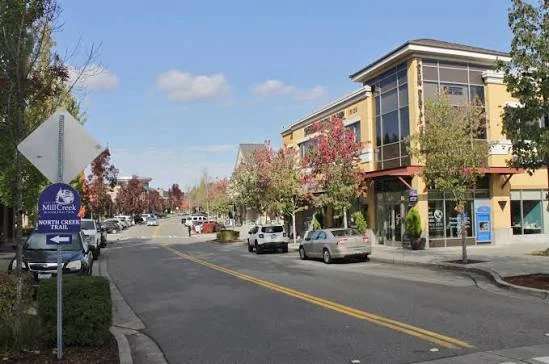
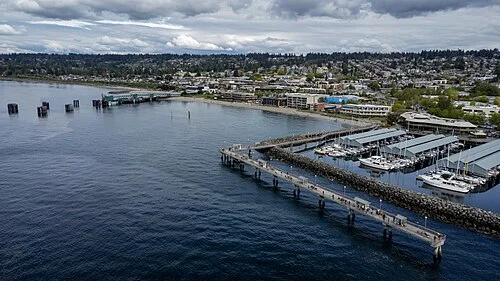
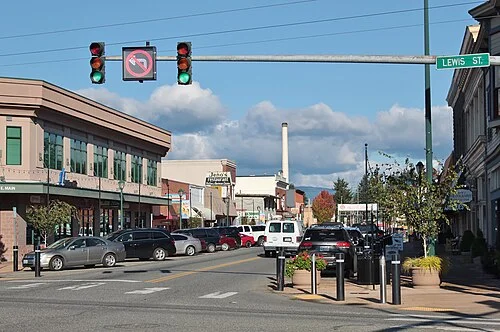
From Mukilteo and Lynnwood to Marysville, Mill Creek, Edmonds and Bothell, our crews work on houses, apartments, offices and shops across the county. Every property gets a plan built around how it is used, with careful drying, clear updates and honest recommendations, so homeowners and business owners can return to normal as quickly and safely as conditions allow.

Mukilteo

Lynnwood
Mill Creek

Marysville

Lake Stevens

Snohomish
Edmonds

Bothell
Monroe
Mountlake

Arlington
Woodinville
Monroe



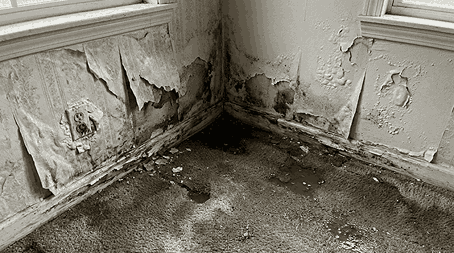
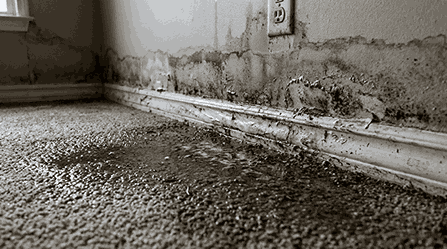
When our crew arrived, water had soaked into the flooring and crept up the walls. Carpet was heavy with moisture, baseboards were swelling, and drywall showed staining and soft spots. Moisture readings confirmed the dampness reached well beyond what was visible, which is why quick action mattered. This is the condition we found before any drying or material removal began.
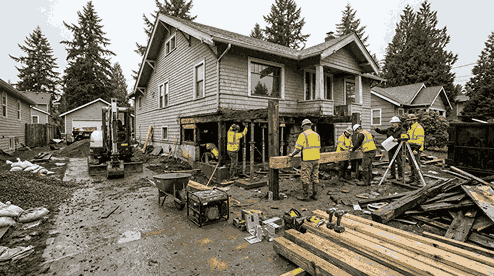
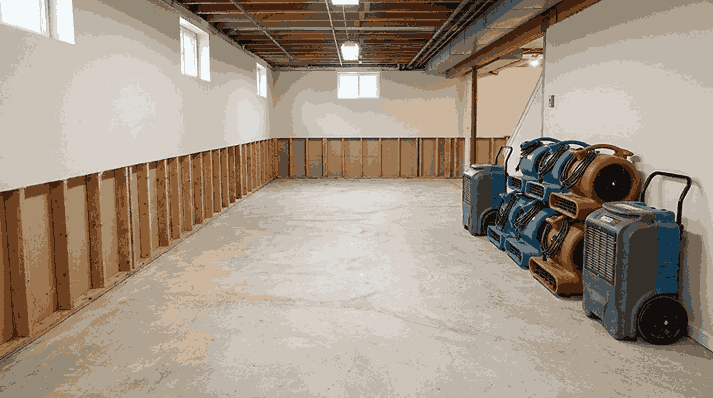
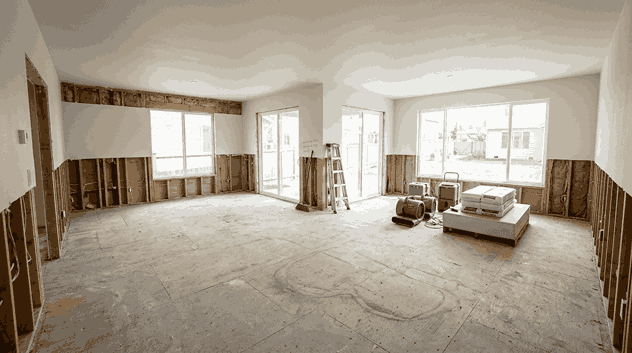
Once work was done, soaked carpet padding, swollen baseboards and stained drywall were gone, and framing and subfloor were left open to dry. Air movers and dehumidifiers brought moisture back to normal levels. Surfaces that stayed in place were cleaned and sanitized to control bacteria and odor. The space was clean, dry and ready for repairs, so rebuilding could begin on a solid, healthy foundation.



From the first call to the final walkthrough, the team provided excellent communication and dependable support. We felt confident knowing our property was in good hands.

We appreciated the professionalism and attention to detail. They took the time to answer our questions and helped us understand what needed to be done.

The entire experience was smooth and stress-free. The team arrived prepared, communicated every detail, and treated our property with care throughout the process.

Make sure everyone is safe first, and stay out of the water if power may be on. Take photos and video of the damage, move valuables to dry areas, and call your insurer. Then contact a professional crew quickly, since moisture spreads into walls and floors within hours.
If you can reach the breaker panel without stepping in water, switch off power to affected areas. If the panel is wet or the water is deep, stay out and call your utility or an electrician. If you smell gas, leave the building immediately and call your gas company from outside..
Water removal usually takes a day, while structural drying commonly takes several days. The exact time depends on how long water sat, which materials got wet, and the humidity. We track moisture readings during drying, so the job ends when materials are actually dry, not on a fixed date.
Standard homeowners policies usually exclude flood damage. Coverage typically comes from a separate NFIP or private flood policy. Sewer backup or sump pump failure may need an added endorsement, so check your policy or ask your agent. We keep photos and moisture readings that you can share with your adjuster.
Yes. Mold can begin growing within 24 to 48 hours in damp materials like drywall, insulation and carpet padding. Fast water removal, removal of unsalvageable materials and thorough drying are what keep mold from taking hold. If you already see or smell mold, tell your technician so it can be addressed.
Water often reaches the lowest parts of a building first, and it can sit unnoticed for days. A musty smell, damp or discolored walls, white mineral deposits, puddles near the foundation or a sudden rise in humidity are early clues. If you notice any of these after heavy rain, have the area checked before moisture spreads upward.